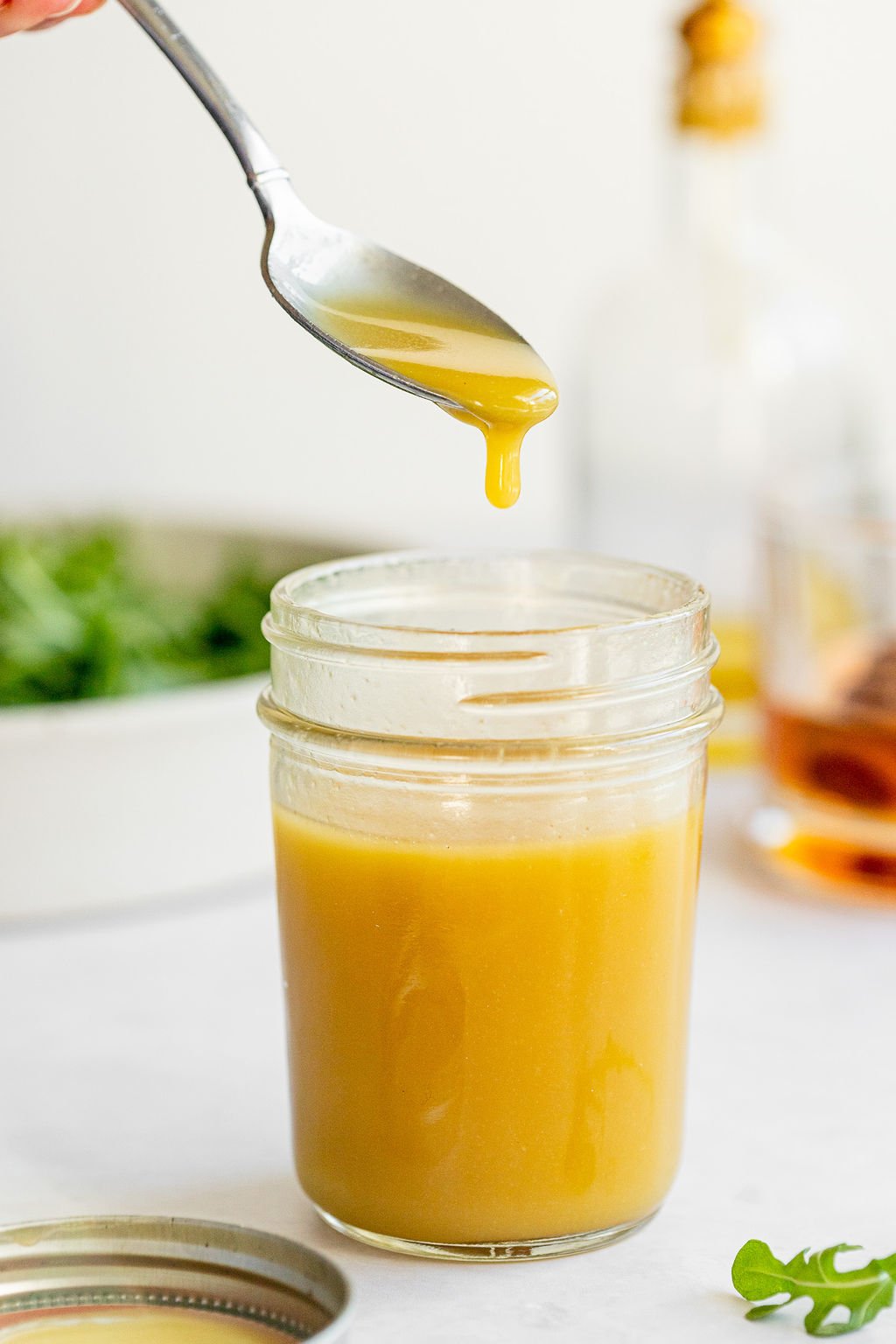
Homemade Honey Dijon Vinaigrette: Your Versatile Kitchen Essential
Are you tired of lackluster, store-bought salad dressings that are often packed with artificial ingredients, unhealthy fats, and excessive sugars? It's a common dilemma for health-conscious home cooks who crave vibrant flavors without compromise. The good news? Crafting your own delicious, wholesome alternatives is surprisingly simple. Among the pantheon of homemade dressings, the homemade honey dijon vinaigrette stands out as a true culinary superstar. This isn't just a dressing; it's a fresh, flavorful, and incredibly versatile condiment that comes together in mere minutes, transforming everything from simple salads to succulent marinades. Say goodbye to bottled boredom and prepare to embrace a homemade hero!
For years, this particular honey dijon vinaigrette recipe has been a secret weapon in many kitchens, cherished for its perfect balance of sweet, tangy, and savory notes. Its ease of preparation and the control it offers over ingredients make it a superior choice to anything you'll find on a grocery store shelf. In just 5 minutes, with a handful of pantry staples, you can create a dressing that rivals gourmet versions, offering a freshness and depth of flavor that's simply unmatched. In fact, it's so good, you'll want to make it your new go-to. For a quick start, check out our guide on Easy 5-Minute Honey Dijon Vinaigrette: Your New Go-To.
The 5-Minute Magic: Crafting Your Perfect Honey Dijon Vinaigrette
The beauty of this honey dijon vinaigrette lies in its utter simplicity. You don't need fancy equipment or advanced culinary skills; just a few basic ingredients and a mason jar. The process is as straightforward as it gets: combine, shake, and serve. But let's delve a little deeper into the key components that make this dressing so exceptional.
Essential Ingredients and Why They Work
- Dijon Mustard: This is the heart of our vinaigrette. Unlike regular yellow mustard, Dijon boasts a creamier texture and a distinctively spicier, more pungent flavor profile. Its pale, often grainy appearance sets it apart from the bright yellow of traditional American mustard. More than just flavor, Dijon mustard also acts as a natural emulsifier, helping to bind the oil and vinegar together to create a smooth, coherent dressing rather than a separated mixture.
- Olive Oil: The choice of olive oil can subtly influence the final taste. A plain, regular olive oil is often preferred for its milder flavor, allowing the other ingredients to shine. Extra virgin olive oil, with its bolder, sometimes peppery notes, will impart a more robust character to your vinaigrette. If EVOO is all you have, it will still work beautifully, just be aware of the stronger flavor contribution.
- Honey: Providing that essential sweetness and a hint of floral aroma, honey balances the tang of the vinegar and the sharpness of the Dijon. It also aids in the emulsification process. If you prefer your honey dijon vinaigrette on the sweeter side, you can always add a tiny pinch of white sugar in addition to the honey, tasting as you go until you reach your desired sweetness level.
- Vinegar & Lemon Juice: These acidic components bring the crucial tang and brightness to the vinaigrette. While the reference context mentions 'vinegar' and 'lemon,' you have options. White wine vinegar or apple cider vinegar are excellent choices, offering crisp, fruity notes. A squeeze of fresh lemon juice amplifies the citrusy zest and adds a vibrant lift. The acidity not only contributes flavor but also helps to tenderize meats when used as a marinade.
- Salt & Pepper: The unsung heroes of any dressing, salt and freshly ground black pepper are crucial for seasoning and enhancing all the other flavors. Don't underestimate their power to round out the taste profile.
Once you have your ingredients ready, simply add them all to a mason jar, secure the lid tightly, and shake vigorously until everything is well combined and emulsified. That's it! Your homemade honey dijon vinaigrette is ready to elevate your culinary creations.
Beyond the Salad Bowl: Unleashing the Versatility of Your Honey Dijon Vinaigrette
While the word "vinaigrette" immediately brings salads to mind, the true magic of this homemade honey dijon vinaigrette lies in its incredible versatility. It's truly a multi-purpose kitchen essential that can transform a wide array of dishes.
Salad's Best Friend (and More!)
Of course, this dressing is phenomenal on salads. Its balanced sweetness and tang complement everything from crisp romaine and mixed greens to heartier spinach or kale salads. But don't stop there:
- Grain Bowls: Drizzle generously over quinoa, farro, or couscous bowls packed with roasted vegetables and protein.
- Pasta Salads: Forget heavy, mayonnaise-based dressings. A lighter pasta salad with this vinaigrette, cherry tomatoes, cucumbers, and feta cheese is a refreshing delight.
- Wraps & Sandwiches: Instead of plain mustard, spread a thin layer of this vinaigrette inside your wraps or sandwiches for an extra burst of flavor.
A Marinade Masterpiece
One of the most exciting alternative uses for your honey dijon vinaigrette is as a marinade. The acidity from the vinegar and lemon helps to tenderize proteins, while the honey adds a lovely caramelization when cooked, and the Dijon infuses a deep, savory flavor. It works wonders on:
- Chicken: Whether grilling, baking, or pan-frying, chicken breasts, thighs, or even a whole spatchcocked chicken will benefit from an overnight soak in this marinade. The flavor penetrates beautifully, yielding incredibly juicy and flavorful results.
- Pork: Pork chops, tenderloin, or even a shoulder cut can be marinated to perfection. The sweetness of the honey pairs particularly well with pork.
- Fish & Seafood: Lighter fish like cod or salmon, or even shrimp, can be quickly marinated (think 15-30 minutes for delicate seafood) for a burst of flavor before grilling or baking.
- Tofu & Vegetables: For plant-based meals, use it to marinate tofu before baking or pan-frying, or toss it with a medley of chopped vegetables (bell peppers, zucchini, onions) before roasting or grilling for a vibrant side dish.
Drizzle, Dip & Delight
Beyond salads and marinades, think of your honey dijon vinaigrette as a general flavor enhancer:
- Roasted Vegetables: A simple drizzle over roasted asparagus, broccoli, potatoes, or carrots just after they come out of the oven elevates their natural sweetness and char.
- Steamed Veggies: Brighten up steamed green beans or Brussels sprouts with a light toss of this vibrant dressing.
- Dip: Serve it as a dip for fresh crudités, chicken tenders, or even homemade sweet potato fries.
Tips for Perfection & Storage: Mastering Your Homemade Vinaigrette
Making your own honey dijon vinaigrette is simple, but a few expert tips can elevate it from great to truly extraordinary. Plus, knowing how to store it properly ensures you always have this delicious concoction on hand.
Customizing Your Vinaigrette
One of the biggest advantages of homemade dressings is the ability to tailor them precisely to your taste. Don't be afraid to experiment!
- Adjust Sweetness: If you find it too tart, add a little more honey, or a small pinch of granulated sugar. Taste as you go!
- Boost the Tang: For those who prefer a more assertive acidity, add an extra splash of lemon juice or your preferred vinegar.
- Add a Kick: A tiny pinch of cayenne pepper, a dash of hot sauce, or a bit of finely grated fresh ginger can introduce a subtle heat.
- Herbal Infusion: Fresh herbs like finely chopped dill, parsley, chives, or a hint of tarragon can add wonderful aromatic dimensions.
- Garlic & Shallots: For a deeper, more pungent flavor, incorporate a finely minced garlic clove or a tablespoon of minced shallots. Let it sit for at least 30 minutes for the flavors to meld.
- Different Vinegars: While white wine or apple cider vinegar are common, try red wine vinegar for a bolder profile, or even a good quality balsamic for a touch of sweetness and depth (though this will change the "dijon" character slightly).
Optimal Storage for Freshness
Your homemade honey dijon vinaigrette is fresher and healthier than store-bought options precisely because it lacks the preservatives. Proper storage is key to maintaining its quality and extending its shelf life.
- Airtight Container: Always store your vinaigrette in an airtight container in the refrigerator. A mason jar is ideal for this, as you can both make and store the dressing in the same vessel, minimizing cleanup.
- Refrigeration: It will keep well in the fridge for up to two weeks. Beyond that, the fresh ingredients may start to lose their vibrancy.
- Shake Before Use: It's completely normal for the oil and vinegar to separate when cold. Before each use, give the jar a good shake or stir to re-emulsify the ingredients and ensure every serving is perfectly blended.
- Bring to Room Temp (Optional): If you find the olive oil has solidified slightly in the fridge, take the vinaigrette out 10-15 minutes before serving to allow it to come closer to room temperature and loosen up. A quick shake will then bring it back to perfect consistency.
By opting for homemade, you're not only getting superior flavor but also a healthier choice. Store-bought dressings are notorious for hidden sugars, unhealthy fats, and artificial preservatives. When you make your own, you control every ingredient, ensuring a fresher, more nutritious alternative. For more on the benefits of making your own, explore our article: Skip Bottled: Make Healthy Honey Dijon Vinaigrette at Home.
Conclusion
Embracing the world of homemade dressings with this easy honey dijon vinaigrette is a culinary revelation. In just five minutes, you can transform simple pantry ingredients into a versatile, flavorful, and healthier alternative to anything you'll find in a bottle. From enlivening fresh salads and wraps to tenderizing meats as a marinade and brightening roasted vegetables, its applications are seemingly endless. You gain control over ingredients, eliminate unnecessary additives, and unlock a fresh, vibrant taste that only homemade can deliver. So, grab your mason jar, gather your ingredients, and prepare to fall in love with your new favorite go-to dressing. Your taste buds—and your health—will thank you!
